How to Prep Your Kitchen Before Cabinet Installation Day
A kitchen that's cleared, labeled, and protected before the crew arrives keeps install day moving instead of losing the morning to boxing up dishes.
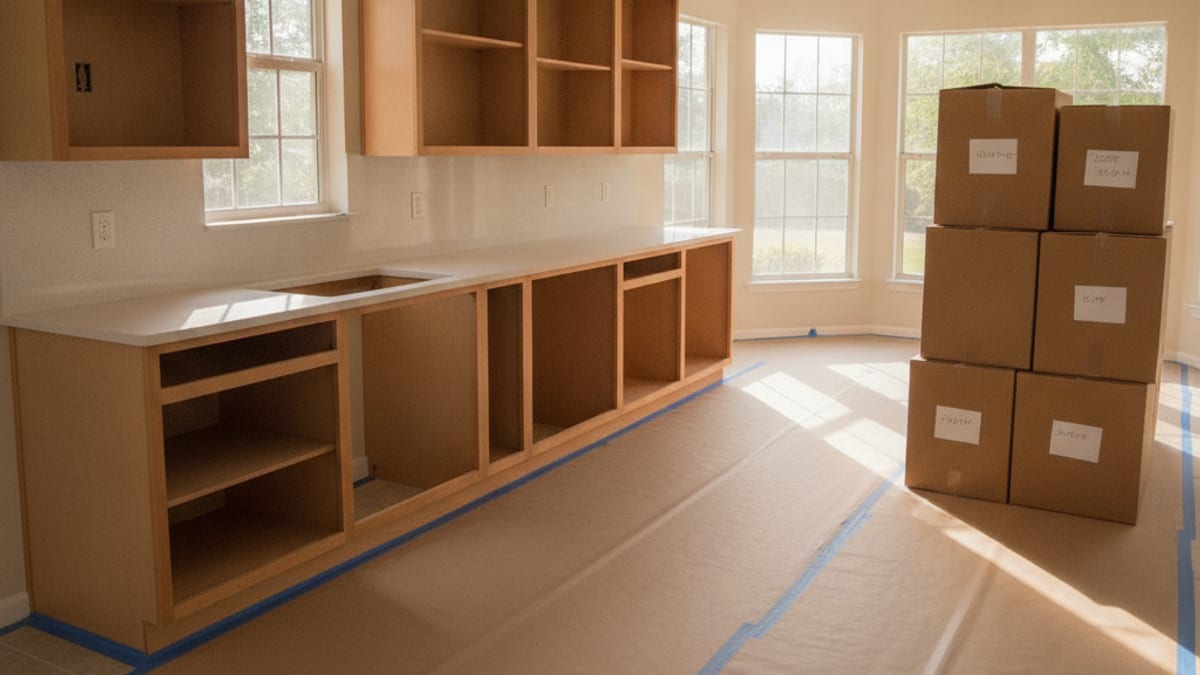
Empty and Label Everything by Zone
Clear every cabinet and drawer completely, and box contents by the zone they'll go back into rather than by item type, so unpacking after install matches how you actually cook. Wrap glassware and dishes separately from pantry goods, and keep a box of essentials (coffee maker, a few plates, basic tools) somewhere outside the kitchen entirely so you're not digging through sealed boxes for a coffee mug on day one. This step alone is usually the biggest time sink of the whole project, so start it a few days ahead, not the night before.
Clear Counters and Protect Floors and Walkways
Disconnect and remove small appliances, unplug and relocate anything on the counter, and clear a straight path from the front door or garage to the kitchen for moving materials in and old cabinets out. Lay rosin paper or heavy drop cloths along that path and across any flooring you want protected, since cabinet boxes and debris are heavier and more awkward than most furniture moves. If you have pets, plan where they'll be during install day. A door propped open for material staging is not a place you want a curious dog testing.
Removing Doors Yourself: Mind the Weight
If you're taking doors off ahead of time to speed up the crew's day, solid wood doors and full-overlay drawer fronts are heavier than they look, especially upper cabinet doors you're removing overhead. Support the door with one hand while you pull hinge pins or unscrew hinge cups with the other, and get a second person for anything wider than a standard 24-inch door so it doesn't drop when the last screw comes out. Bag hardware separately per door and label which cabinet it came from. Mismatched hinges and screws are one of the most common self-inflicted delays on install day.
Rather have a pro handle it?
Free in-home consult across the Tampa Bay area. A real person picks up, not a call center.
Keep reading.
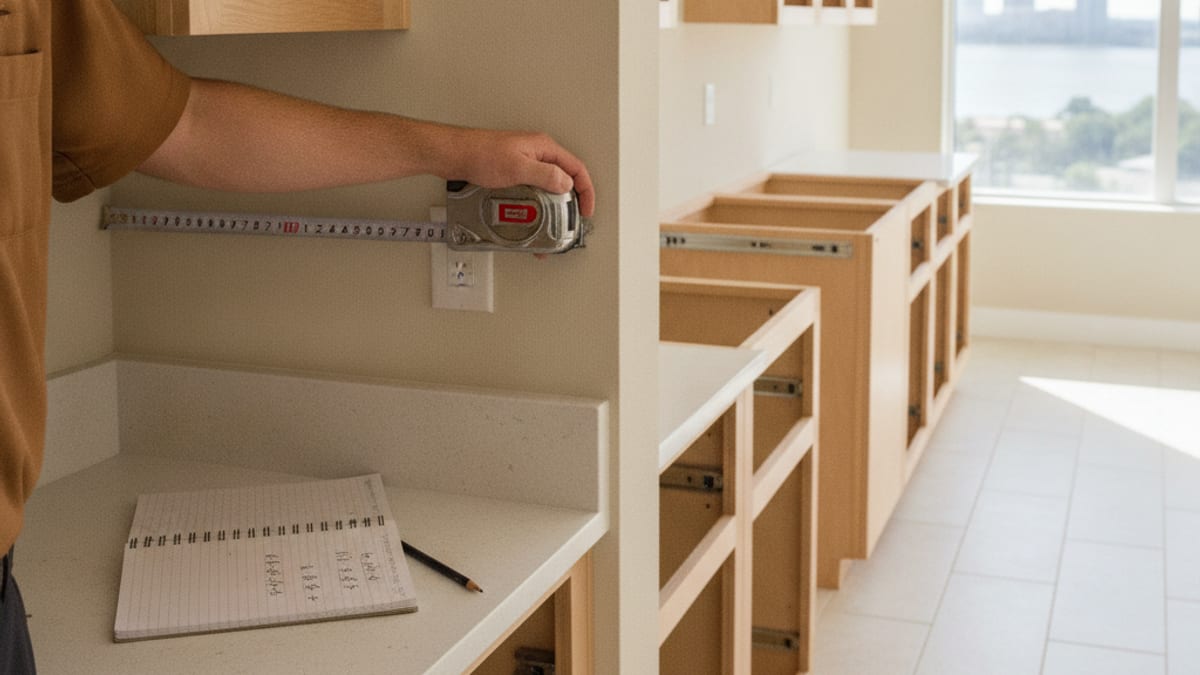
How to Measure Your Kitchen for New Cabinets
A cabinet order built from bad numbers means backordered doors and a kitchen that sits half-finished for weeks, so getting your measurements right before you call anyone is worth the extra hour.
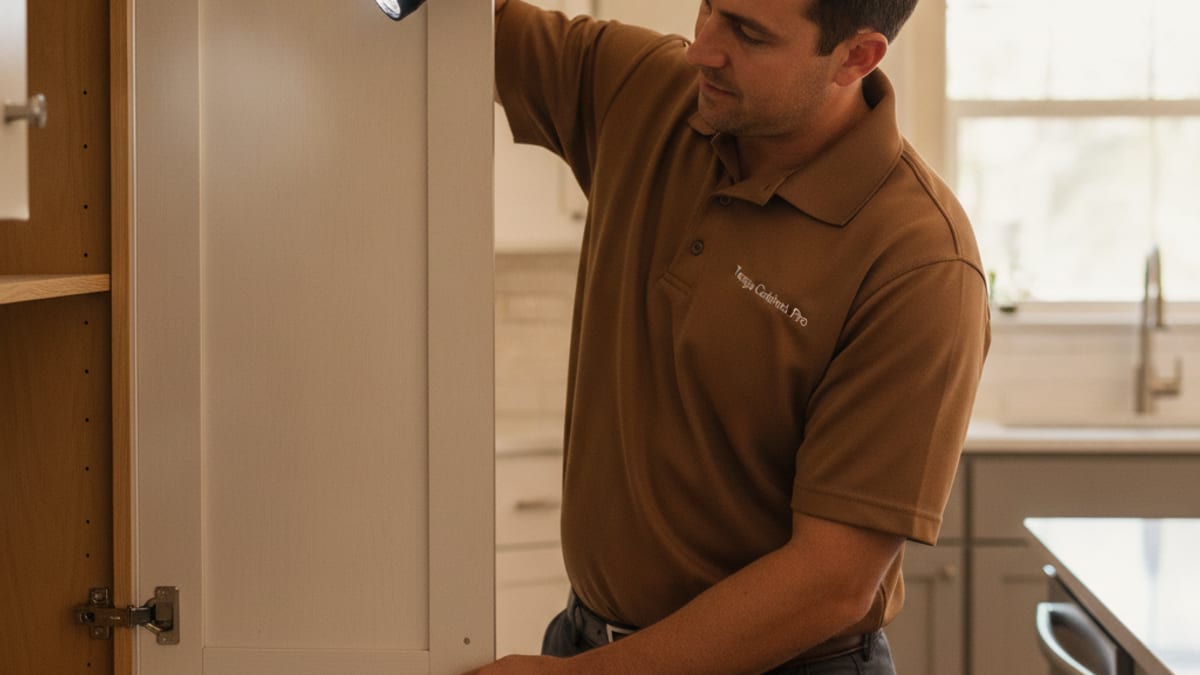
Cabinet Refacing vs. Replacement: How to Decide
Refacing keeps your cabinet boxes and swaps the parts you see, but it only works if what's underneath is actually sound, and figuring that out yourself saves a wasted consult.
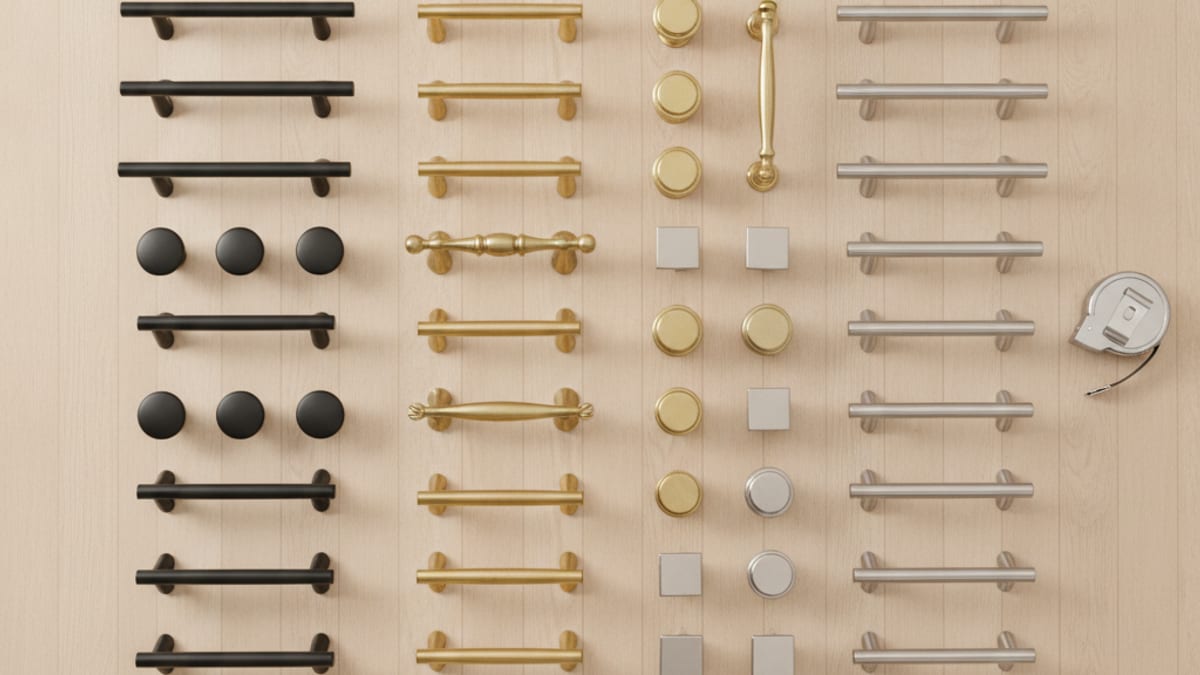
How to Choose Cabinet Hardware and Finishes
Hardware is the fastest, cheapest way to change how a kitchen looks, but getting the sizing and finish wrong means redrilling holes or hardware that corrodes early in Tampa's humidity.